Vermicast
What is Ecocast Vermicast?
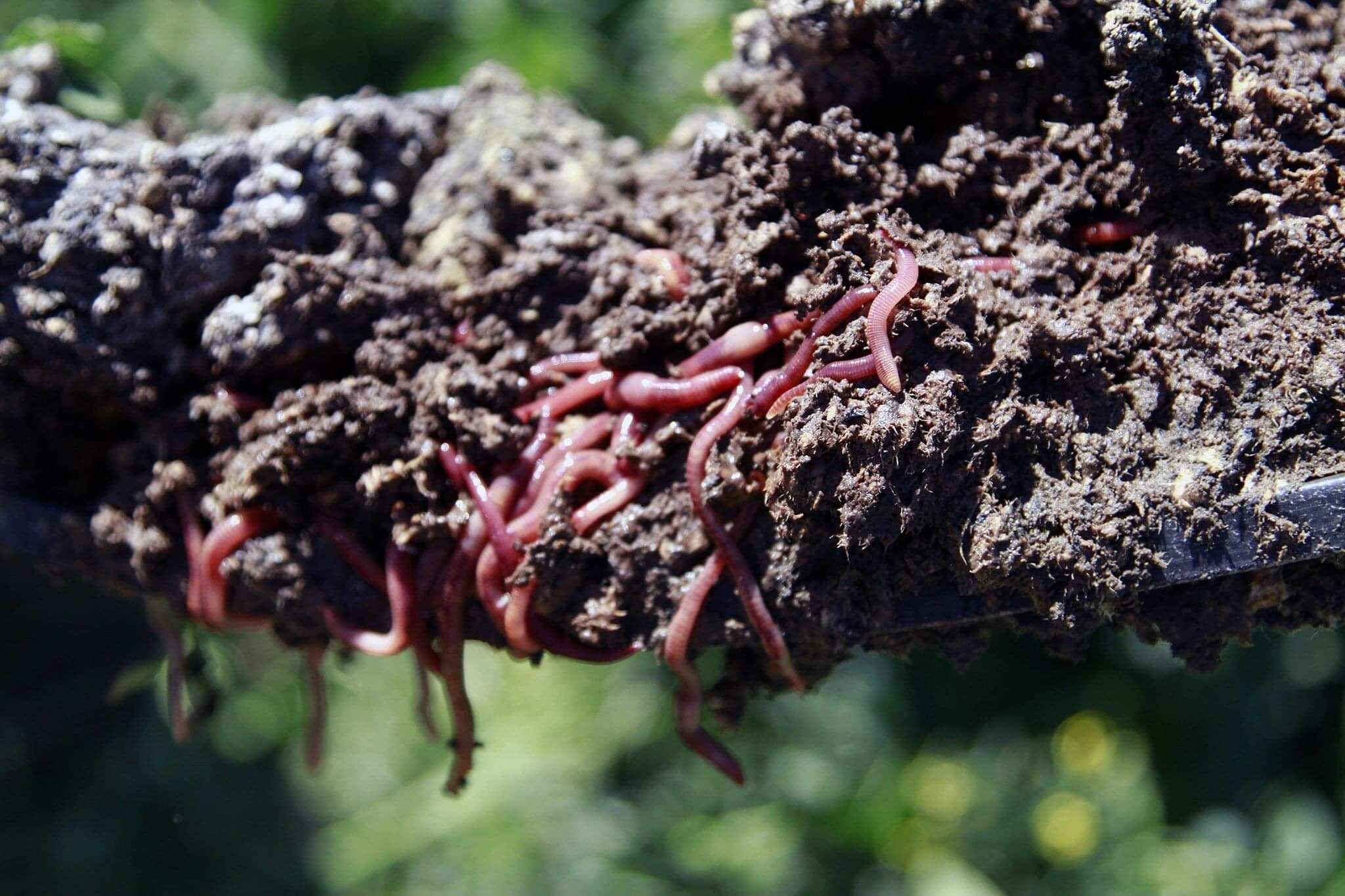
Vermicast is the casting of earthworms. Earthworm casting is what farmers are really looking for, when they are taking the spade, digging a hole in their paddock to find out about plant roots, soil structure, and soil humus. But it is easier to find earthworms than it is their casting in soils. We all know that soils with hundreds of earthworms are fertile, healthy, and sustainable soils. But why are earthworms so important for high yielding, healthy plants and food, safe groundwater, and even for ‘clean’ air? Why are earthworms so important to our soils?
As earthworms are working their way through the top soil they mix humus and mineral particles. They are turning our soils into a sponge-like structure with enormous numbers of small, medium, and slightly larger burrows and pores. This worm created ‘sponge’ stores water, nutrients and air for the plants and other microorganisms to grow. Scientist call this the rhizosphere, where water, nutrient, and air are exchanged between plant roots, microorganism, fungi, clay minerals, groundwater, and the atmosphere.
Besides their ‘soil tillage’ capability, earthworms produce a lot of high nutritious casting continuously while feeding. They feed on dead plant material like leaves, roots and manure from our farm animals with all the bacteria and fungi which are decomposing the organic matter. Earthworms have a crop and gizzard just like birds where the mix of food is ground down to very small fractions. Bacteria and antibiotics in the worms intestinal tract destroy pathogens, introduce enzymes (which makes the nutrients plant available), produce plant growth promotors, and much more. By now earthworms have created a valuable mix of nutrients, humus, enzymes, plant hormones, bacteria, and fungi while passing through an intestinal passage of only 5 cm. Before the mix is excreted, the ‘casting’ is finally coated with a mucus so it becomes a strong humus-soil aggregate.
Ecocast Vermicast compared to compost?
Compost is a completely different process from Ecocast Vermicast. Compost is produced in a rapid, high temperature process and is more fungi driven than bacterial. Composting requires mechanical tuning of the product either continuously in a drum or for several times in large windrows. Often air is pumped into the piles for the ‘chemical combustion’ of the organic matter. In general, composting leads to a volume reduction by one third. If your compost heats up it is not a finished compost and should be carefully handled. Applied to soil, compost requires a change of microbes as soil microbes are more bacteria dominated - just as vermicast is. Ecocast organic Vermicast is processed by more than a billion compost worms in a cold and bacteria dominated process. Our vermicast is almost pure casting and we allow Ecocast Vermicast to be processed and matured for 12 months before we provide it to our customers - just like a good wine this takes some time. As a result our organic vermicast is well adjusted to your soils microbiological community.
How Ecocast Vermicast restores, improves soil fertility and boosts yields?
Ecocast Vermicast is a natural nutritive organic soil conditioner and organic fertiliser. It is rich in humus, macroand micro-nutrients, beneficial soil microbes, and plant growth promoting hormones. This makes our vermicast so different to composts. Ecocast Vermicast can offer significant benefit your soils, crops, pasture, orchard, vineyard, nursery, garden and potting mixes.
Humus
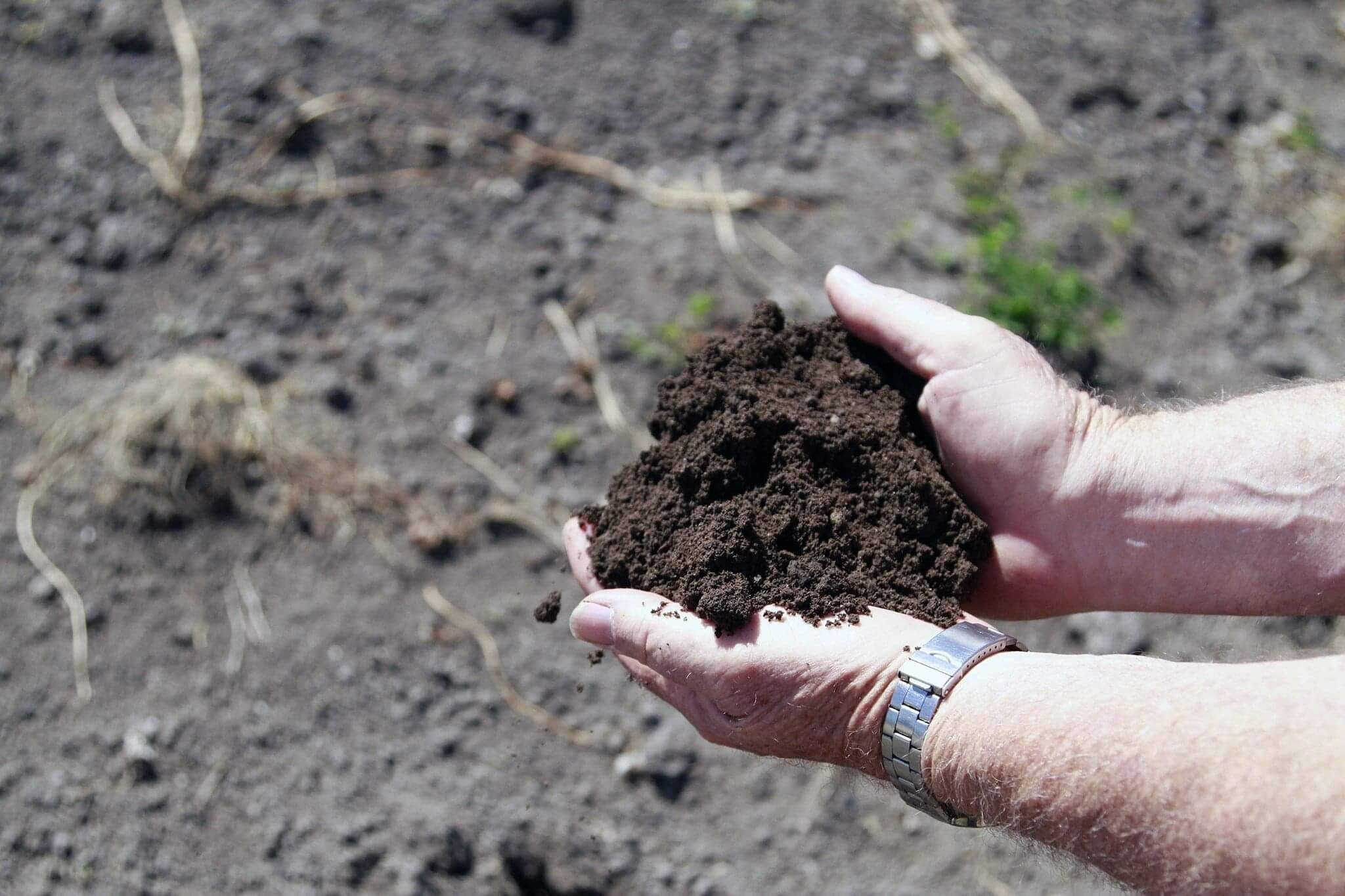
Humus is the stabilised organic matter in your top soils. Black humic acids and yellowish fulvic acids give humus its characteristic dark colour. Humus is important as a habitat for the development of beneficial and active soil microorganism. It has high water holding capacity, and of economic relevance for most growers is its nutrient exchange capacity. Humus is the glue that creates stable soil aggregates by binding humus and clay minerals. Stable soil aggregates are very important to keep the soil in place and protect them from soil erosion. With applying 1 mm of Ecocast Vermicast you are incorporating 1.8 tonnes of carbon to your soils per ha. Additional carbon is sequestrating from the atmosphere as root growth improves rapidly after vermicast application. This carbon is stored in your soils for centuries and is only one reason why vermicast protects our climate. Ecocast Vermicast is a peat like product very high in humus (organic matter) compared with other vermicasts. Our main source of feedstock to our earthworms is our organic certified wood fibre. After a very few applications of our vermicast, root depth and humus content of your soils will improve. Your soil will manage your mineral and organic fertiliser more economically and sustainably.
Plant available nutrients
Organically bound nutrients in vermicast and the soil’s humus are released as the humus is decomposed and nutrients becomes plant available. The chemical structure of humus acts like a battery for your already plant available nutrients. This is called nutrient exchange capacity. Your humus ‘battery’ can store and release cations (Ca, Mg, NH4) as well as anions (NO3). Increasing the humus content of your soils - like putting in a large battery - is a very effective way to reduce leaching of mineral nutrients. You will save money on fertilisers and the groundwater stays clean, which is important for protecting sensitive environments. Whether you are using mineral fertiliser or prefer organic fertilisers, Ecocast Vermicast complements each in a most ideal way.
Beneficial and biological active soil microorganism
Application of vermicast stimulates various beneficial and active soil organism in the soils. Of relevance for crop and fruit production are phosphorous solubilising bacteria, nitrogen-fixing bacteria (Azotobacter, Rhizobium, Nitrobacter) and actinomycetes and mycorrhizal fungi.
Plant growth hormones
Research has shown that use of vermicast stimulates plant growth further, even when plants are already receiving ‘optimal nutrition’. Scientists have found plant growth promoting hormone in earthworm castings including auxins, cytokinins, and gibberlins (flowering hormone). These ‘hormones’ improves seed germination, seedling development and growth, and increases plant production and yields. In a way these hormones are ‘telling’ plants that there are plenty of worms and high quality humus waiting for them and the plant responds with more and deeper roots and more flowers and fruits.
Soil enzymes
Bacteria and enzymes in the vermicast such as lipase, cellulase, chitinase, and amylase help to decompose organic matter. Organically bound nutrients such as N and P are released. This happens when soils are warm and moist, exactly when plants are growing and require a consistent source of nutrients. Important soil enzymes like urease, acid and alkaline phosphatase, and dehydrogenase are produced by earthworms and help unlock the nutrients, making them plant available. This is the easiest way to make available some of the locked up iron phosphate and calcium phosphate in your soil.
Plant protector
Beneficial microorganisms in vermicasts produces antibiotic compounds, actinomycetes and other metabolites that contribute to disease suppression. The mechanism of biological control by antibiotic compounds are effective in controlling various plant pathogens, a process known as antibiosis. Vermicast application decreases arthropods populations (aphids, mealy bugs, spider mites, buds, cabbage white caterpillar, ) and subsequently reduces plant damage. Farmers from Canada report reductions of several insect pests, which is explained in a production of the enzyme ‘chitinase’ that breaks down the chitin in insects’ exoskeleton. In New Zealand dairy farmers are reporting reduction of grass grub damage after application of 10 m3 of Ecocast Vermicast per ha. Disease suppressing effects on radish, grapes, tomatoes, strawberries, and peppers have been found by scientists. The disease suppressing effect disappears after sterilisation of vermicast giving evidence that the ‘microbial antagonism’ in the vermicast was the biological mechanism for the disease suppression.
Vermiculture Biotechnology
Vermiculture biotechnology promises to usher in the ‘Second Green Revolution’ complementing the use of agro-chemicals. Earthworms restore and improve soil fertility and significantly boost crop productivity. Earthworms excreta (vermicast) is a nutritive ‘organic fertilizer’ rich in humus, NKP, micronutrients, beneficial soil microbes - ‘nitrogen-fixing and phosphate solubilizing bacteria’ and ‘actinomycets’ and growth hormones ‘auxins’, ‘gibberlins’ and ‘cytokinins’. Both earthworms and its vermicast and body liquid (vermiwash) are scientifically proving as both ‘growth promoters and protectors’ for crop plants. In the experiments with corn and wheat crops, tomato and egg-plants it displayed excellent growth performances in terms of height of plants, colour and texture of leaves, appearance of flowers and fruits, seed ears etc, as compared to chemical fertilizers and the conventional compost. There is also less incidences of ‘pest and disease attack’ and ‘reduced demand of water’ for irrigation in plants grown on vermicompost. Presence of live earthworms in soil also makes significant difference in flower and fruit formation in vegetable crops. Earthworms biomass, a byproduct of VBT is rich in ‘high quality protein’ and source of nutritive feed materials for fishery, poultry and dairy industries and also for human consumption.
For more information on Vermiculture Biotechnology click here
Ecocast Vermicast Improves Maize Growth
By applying 20 tonnes of Ecocast vermicast per hectare, Whakatane maize grower Phil Brogden increased dry matter for maize silage by more than 25% over the 2013 growing year – in spite of the area being declared an official drought zone.
Brogden is just one of a group of growers whose use of Ecocast vermicast resulted in maize crops that were still green and growing at the end of summer. Crops which had not been fertilised with vermicast were dry and needed to be harvested weeks earlier.
Brogden says when they examined the root systems the difference was amazing. “We found more than twice as many lateral roots on the maize fertilised with vermicast. Greater growth means more soil volume is available to the maize, increasing access to water and nutrients. Even with the limited rainfall we had, the maize was able to keep growing further into the dry period and of course, provide greater yields.”
|
|
|
Fig. 1: Phil Brogden, holds maize plants that demonstrate the results of fertilising 20 t/ha with Ecocast Wormicast. The plant on the left is from the fertilised crop and has a large cob and dark green growth; the one on the right, from the unfertilised control crop, has a significantly smaller cob and much dryer growth.
In order to further their understanding of how vermicast stimulates maize roots, the Ecocast research team has studied the latest international scientific publications and found vermicast is responsible for:
- Growing far more lateral roots
- Growing longer roots
- Increasing root density (cm of roots per soil volume)
- Growing many times more root hairs, and
- Increasing nutrient uptake (H+-ATPase).
Vermicast (completely digested) and vermicompost (partly digested organic wastes from compost worms) are produced when earthworms break down wood fibre, fruit wastes and other organic waste materials. As this matter passes through the earthworm’s gut it is ground down and the result is the familiar worm cast.
Ecocast Wormicast is made of pure, natural earthworm castings, and contains plant available nutrients. Even more important is the very high content in humus; one third of Ecocast Wormicast is actually humus, the soil’s “battery” for plant nutrients and water. Ecocast earthworms have loaded the humus with calcium, magnesium, sulfur, and potassium.
CONCLUSIONS ON ROLE OF VERMICOMPOSTS IN SUSTAINABLE AGRICULTURE: