Home Image

Home Image

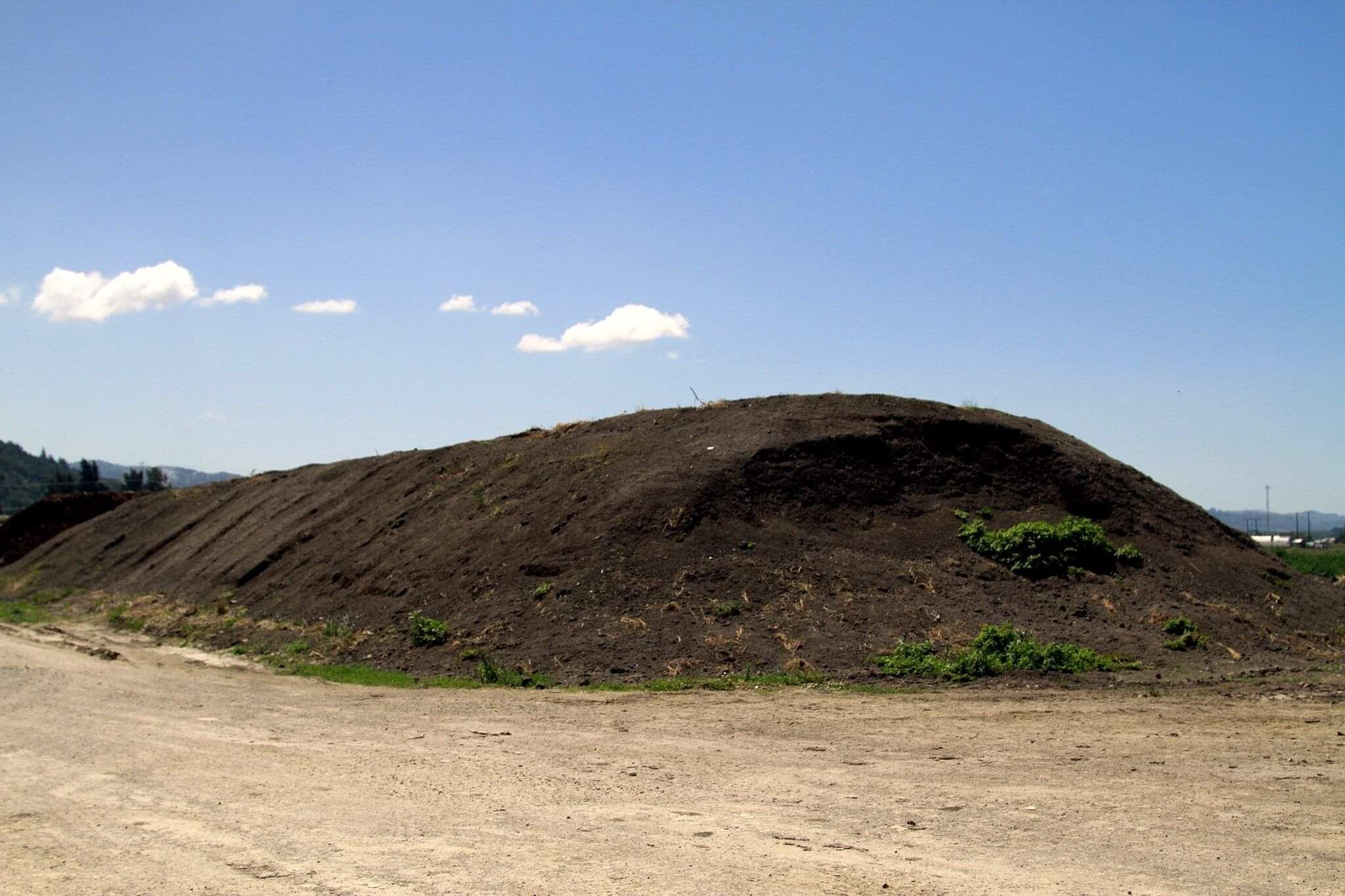
Compost


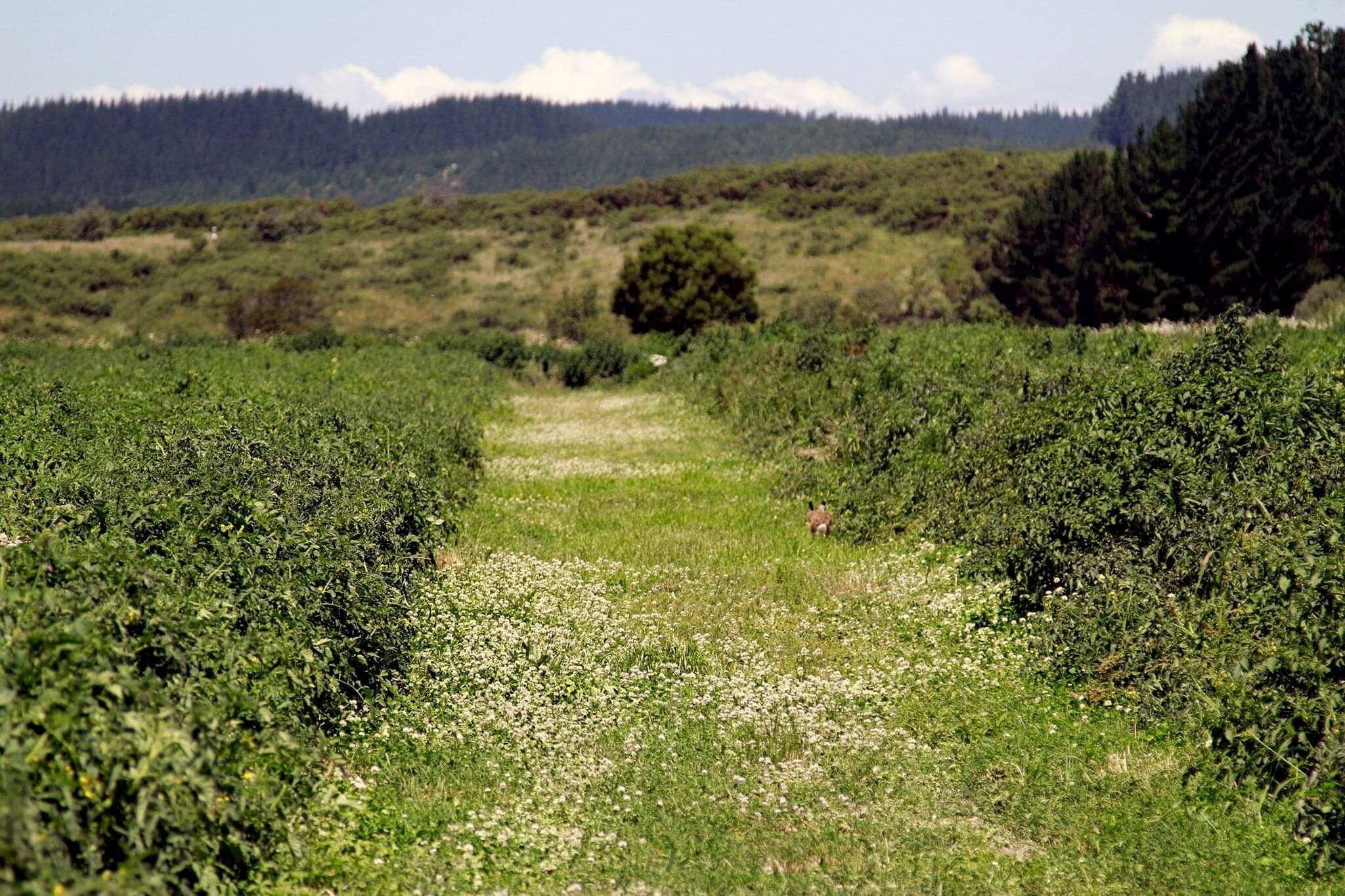
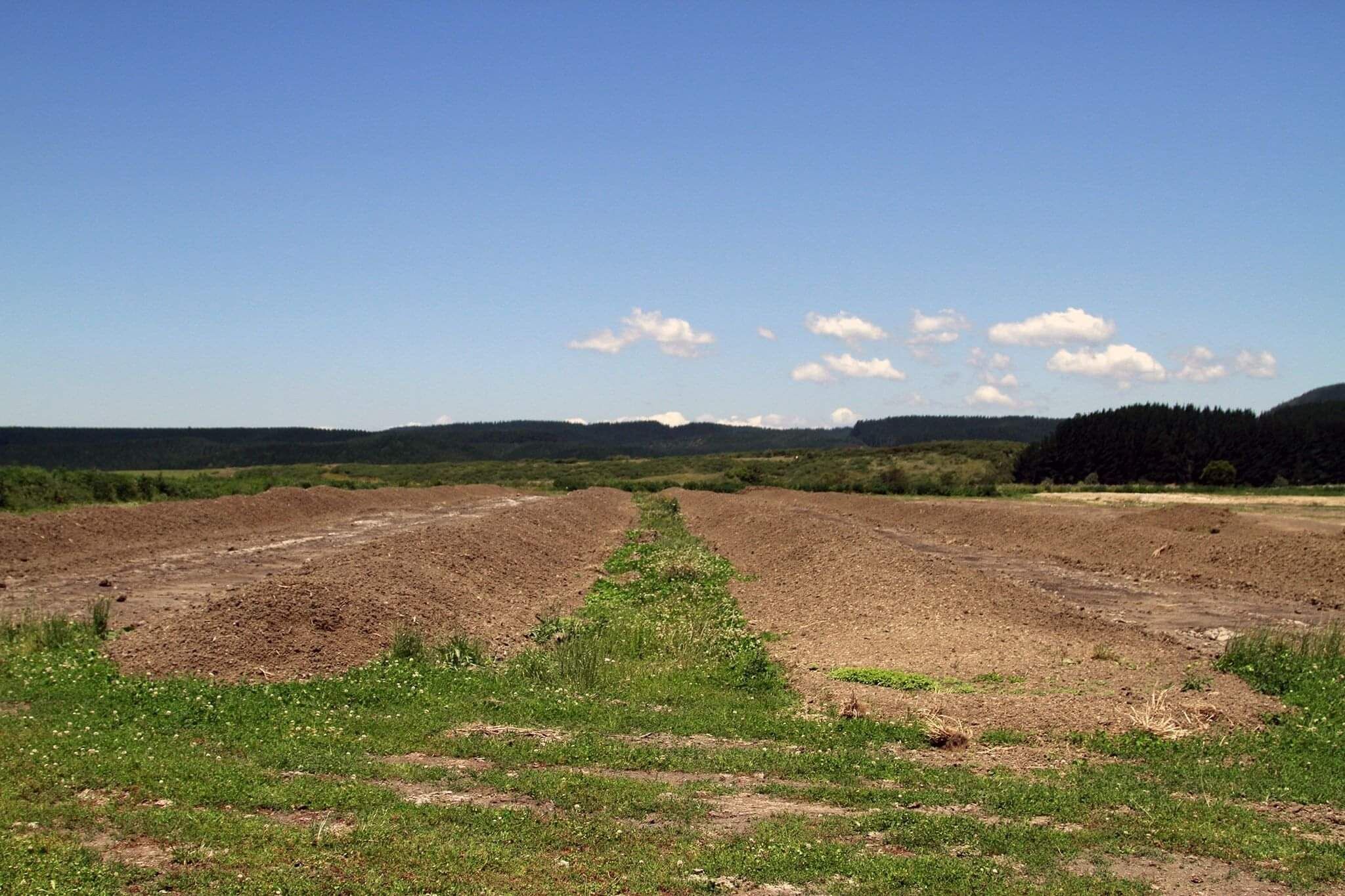
Farm #2 (8 ha): No Bio Solids

As a result of a series of trials, Compost has been found to enhance crop production and improve soil structure and water holding capacity with benefits for yields, soil health and financial viability.

Adding compost is a financially viable way to boost production for forage, pasture and cropping.

Important crop nutrients such as N, P, K, Mg and Ca are provided by compost, with the application of compost allowing crops to be more able to uptake these nutrients over time.

Soils that have been cropped for a number of years or that are inherently low in nutrients such as P and K may especially benefit from using compost.


WHY SHOULD YOU USE COMPOST?

• Composting is an aerobic biological process that converts garden and food waste into a stable organic product suitable for transportation and ideal for paddock application.
• Commercially produced compost can provide a valuable source of soil organic matter and slow release nutrients.
• Applying good quality compost to agricultural crops has been shown to increase crop yields and soil C levels.
• Composts that are 100 % weed free and conform to New Zealand Standard NZS4454 are available.


APPLICATION RATES

Recent trials in Canterbury have shown:
• Regular applications (every 1-2 years) of 8-12 t/ha compost are the most profitable.
• If applying 25–50 t/ha compost, reapplications should be made every 3–4 years.
• Over a 3-year cropping rotation a one-off application of 50 t/ha is more profitable than 25 t/ha.
• Compost can be soil incorporated or left on soil surface in no tillage systems.


CASE STUDIES

The cost-benefit analyses were based on standard costs of production for each crop. The calculations assumed a fixed cost for the compost ($12.50/t) and spreading ($6.50/ha). The break-even freight rate ($/t) is the cut off point above which higher freight costs would not be profitable. Scenarios are considered profitable if returns are greater or the same as standard practice*. The cost-benefit analyses does not take into consideration the financial value associated with soil structural and water holding capacity improvements that may result from adding organic matter to the soil.


FERTILITY BENEFITS

• Elevated soil nutrients (N, P, K) can be expected for more than 2 years after compost is applied.
• A complete substitution of fertiliser with compost is not recommended. To get the best out of compost it needs to be applied with fertiliser N.
• A crop’s ability to respond to available N (from soil, fertiliser and compost reserves) increases where compost has been applied.
• Compost also provides other key nutrients such as Mg and Ca.
• See Forage brassica and Arable case study boxes for information on profitable rates.


SOIL AND ENVIRONMENTAL BENEFITS

• Soil organic matter and carbon content have been shown to increase significantly where compost was applied.
• Soil structure and water holding capacity tend to improve with higher application rates of compost. Lower rates of compost may require long-term application before soil structure and water holding capacity benefits can be confirmed.
• Due to much of the N content in compost being in a slow release organic form, the amount of nitrate leached tends to be lower than with standard fertiliser. This suggests there may be potential to reduce total N leached where compost applications offset fertiliser applications.


Premium Compost Product Information;

  • Screened premium compost.
  • Produced from regional green wastes.
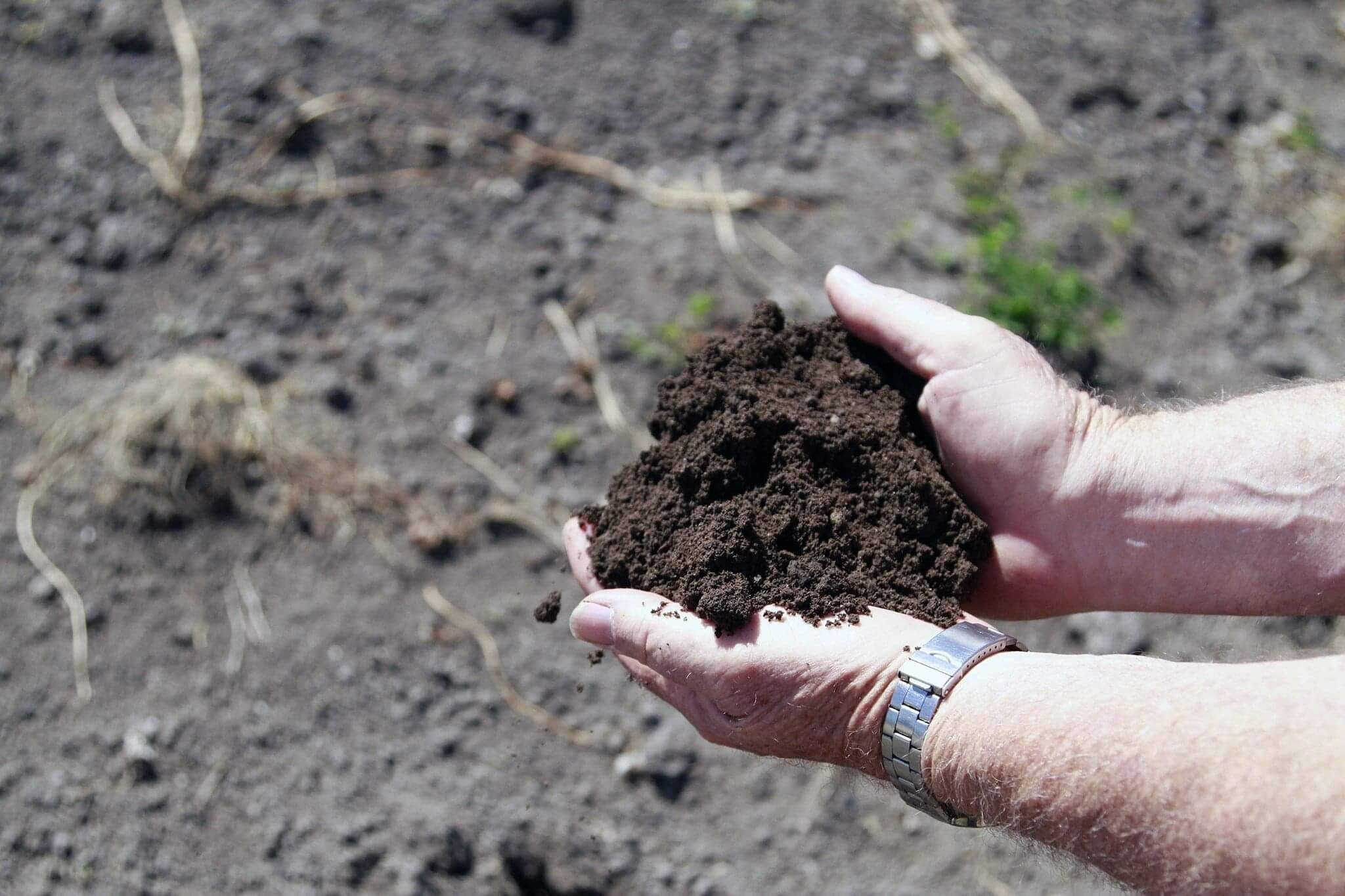
  • Mature humus for pasture and crop.
  • Easy to spread with general compost spreader.

Recommended Use;

Pasture:

General soil improvement. Apply 20 tones per ha before sowing new pasture.

Crops:

Organic matter boosting in soils. Improve aggregate stability and soil structure.

Orchards:

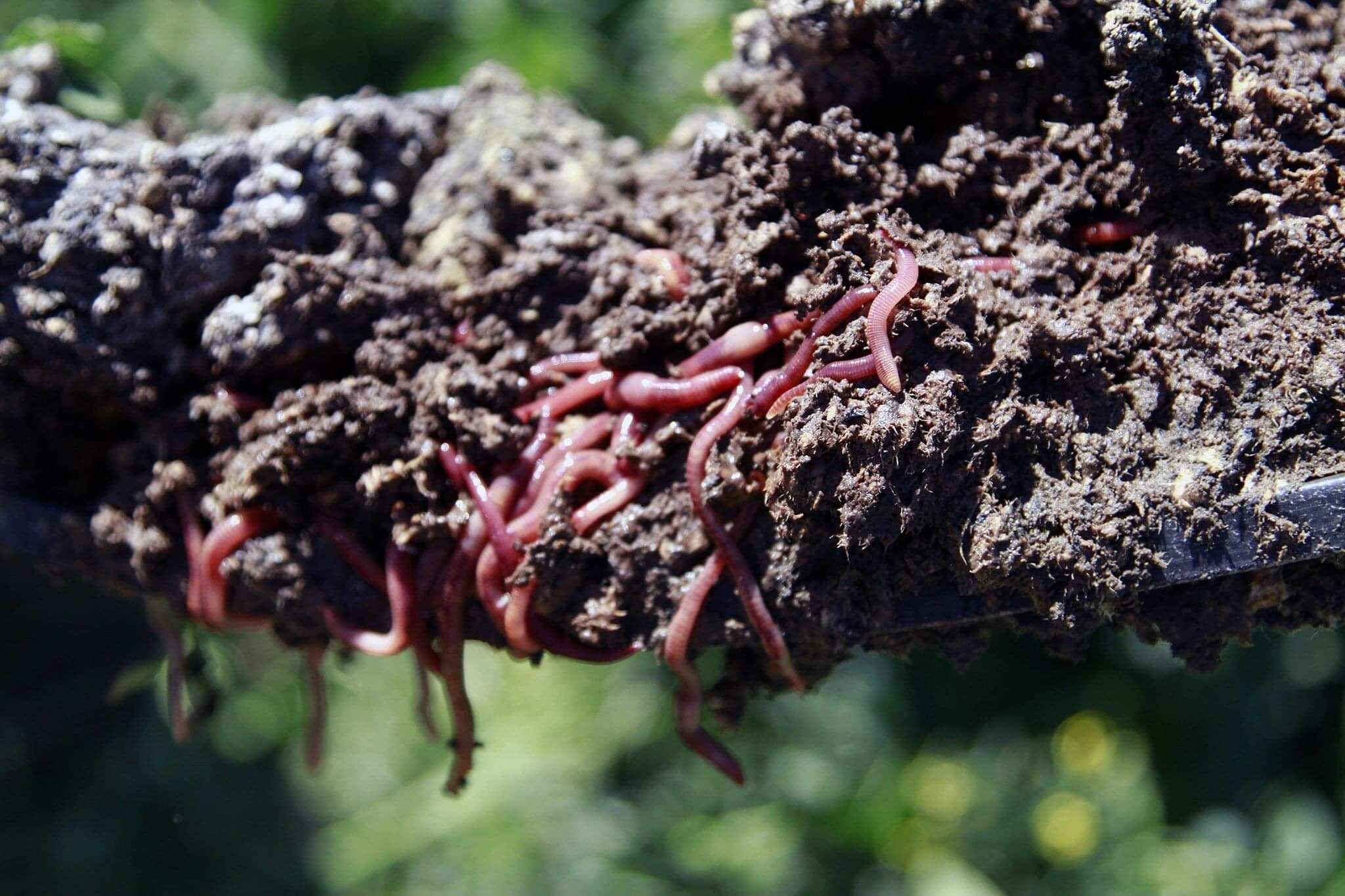
Application throughout orchards for general improvement of soil fertility. Soil dwelling worms available to establish earthworms.

Benefits to Soil & Plant;

  • Root growth and rhizosphere.
  • Nutrient holding capacity.
  • Organic bound nutrient, slow releasing - no leaching.
  • Water holding capacity.
  •  Earthworms.
  • Humus.
  • Beneficial soil microorganisms (fungi).

Kale crops with no compost application
Kale crops with 25 t/Ha of compost
Kale crops with 50 t/Ha of compost

Compost Lab Report.pdf

Enquire now

ENQUIRE
NOW >>>

Back to Top